


Single-Phase vs Three-Phase Power: What’s the Difference?
To understand how these voltages are used, it’s important to first distinguish between single-phase and three-phase power.
Single-phase power uses one hot conductor and a neutral to deliver electricity. It is commonly used for lighting, receptacles, and small equipment operating at 120V.
Three-phase power uses three hot conductors spaced 120° apart, allowing power to be delivered more smoothly and efficiently. This configuration supports larger motors, HVAC systems, and industrial equipment.
Overhead Track Busway Electrical Panel
Overhead track busway simplifies power distribution for mixed loads by allowing plug-in units to access multiple voltage types along a single run.
Unlike traditional systems that require separate circuits and conduit runs for each voltage, Track Busway allows multiple voltage types to be accessed from a single overhead run. This simplifies installation and makes it easier to adapt as equipment and layouts change over time.
- Supports 120V, 208V, and three-phase circuits
- Flexible plug-in positioning
- Improved installation efficiency

| Voltage | Configuration | Typical Use |
|---|---|---|
| 120V | Single-phase (line-to-neutral) | Lighting, outlets, small tools |
| 208V | Single-phase (line-to-line) | Appliances, equipment |
| 208V | Three-phase | Motors, compressors, industrial loads |
Track Busway distributes these voltages along one overhead run, allowing plug-in units to access the required voltage anywhere along the system.
How One Track Busway Run Powers Multiple Voltage Types
This continuous plug-in busway system allows 120V, 208V, and three-phase power to be accessed anywhere along the run without fixed tap locations.
In a typical 208Y/120V system, multiple voltage types are available from the same electrical panel. Track Busway makes it possible to access each of these voltages anywhere along the run, without pre-planned tap locations or rewiring.
Because Track Busway distributes all phases along a continuous run, different voltage types can be accessed without changing the infrastructure. This allows a single installation to support a mix of receptacles, equipment, and machinery, even as power requirements evolve over time.
Need help selecting the right voltage configuration?
Request a Complimentary Layout Drawing →120V Single-Phase
• Used for receptacles, tools, and lighting
208V Single-Phase
• Used for equipment requiring higher voltage
208V Three-Phase
• Best for motors and industrial loads
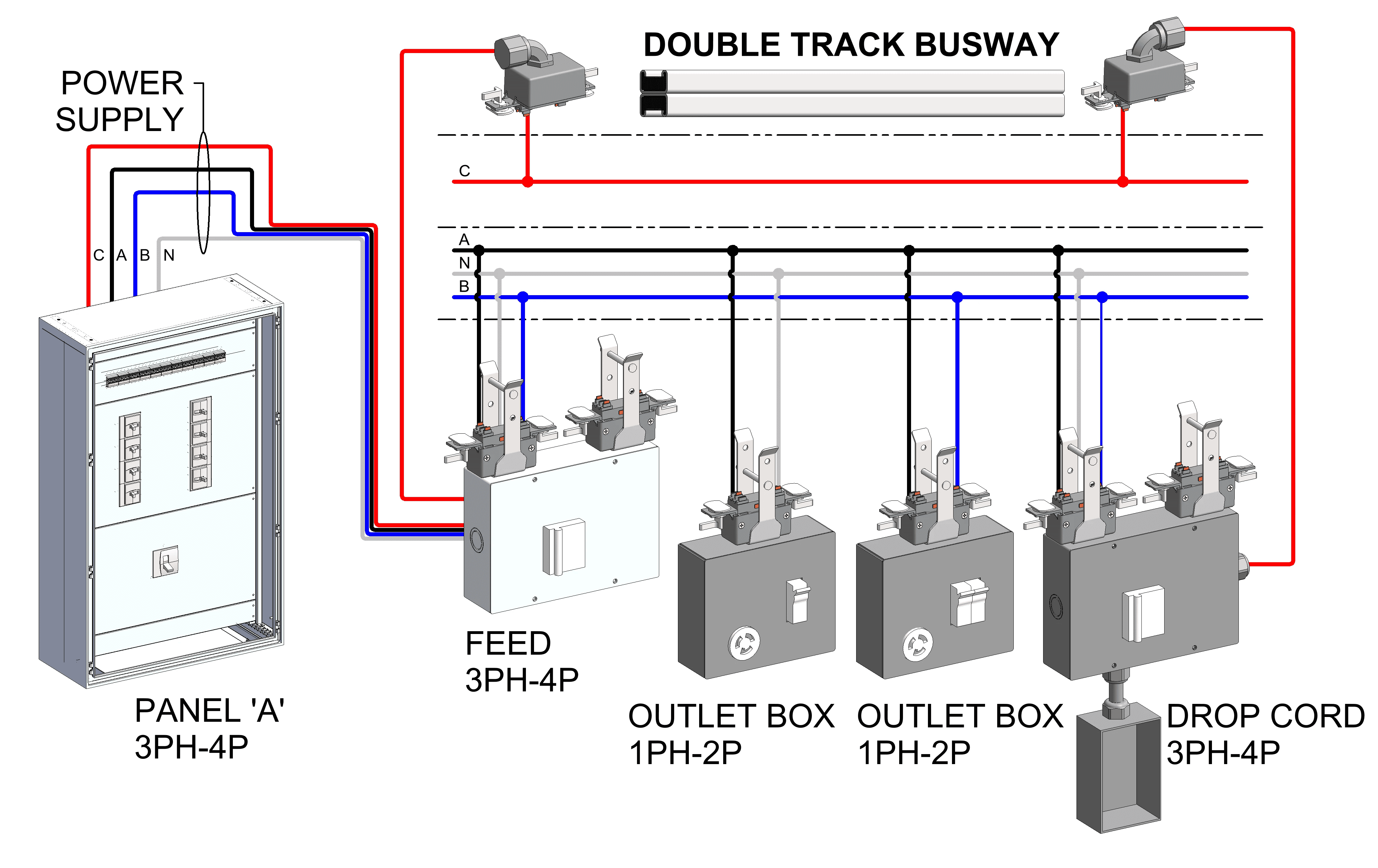
USA TrackBusway® Phase Selection
In many traditional systems, selecting a different phase requires changing hardware or installing separate tap-off units. USA TrackBusway simplifies this process by allowing phase selection directly in the field, reducing installation complexity and making load balancing significantly easier.
Traditional aluminum track busway
- Fixed phase tap-offs
- Limited flexibility
USA TrackBusway® (flip-fit plug-ins)
- Rotate plug-in to change phase
- Faster installation
Track Busway plug-in units allow phase selection to be adjusted in the field without replacing components or modifying the system. This flexibility simplifies installation, reduces labor, and allows circuits to be balanced as equipment is added or repositioned over time.

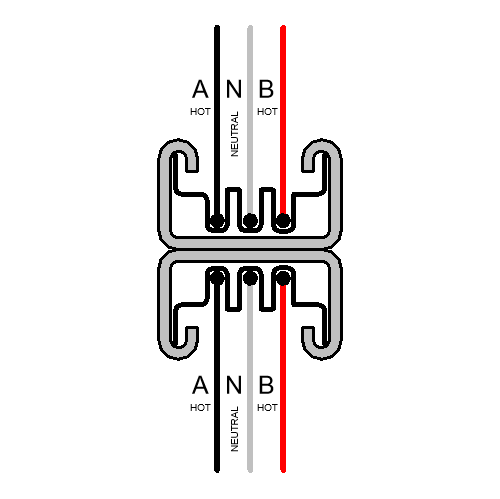
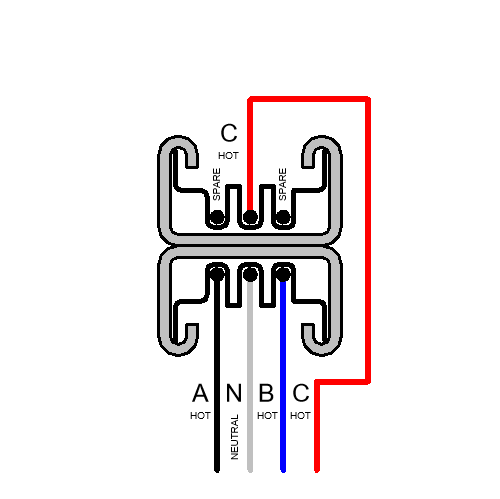
Double-Deck Option (6-Wire)
As electrical systems become more complex, additional conductors are often required for grounding, control signals, or future expansion. The double-deck Track Busway configuration allows these additional conductors to be integrated into the same overhead system without requiring separate pathways.
Applications
Track Busway systems are used across a wide range of environments where flexibility, scalability, and overhead power access are critical. Because power can be accessed anywhere along the run, these systems are especially valuable in spaces where layouts change frequently or where multiple voltage types are required.
Summary
Track Busway simplifies power distribution by allowing multiple voltage types to be accessed from a single overhead run. By supporting both single-phase and three-phase power within the same system, it eliminates the need for separate circuits, reduces installation complexity, and provides long-term flexibility as facility needs evolve.
- 120V → small loads
- 208V → medium loads
- 3-phase → heavy loads
Next Steps
Contact our team for help designing your system.


