

Track Busway Lead Times
Plan your installation with factory-direct support from Ohio. We stock core modular components for new systems, replacement parts and future expansion.
Typical production to shipment for complete systems with specified tap-offs, subject to configuration and order size. Freight transit is separate.
Send us your layout →Why timing matters. Two illustrative scenarios: waiting for a new busway system, then adding power drops after installation.
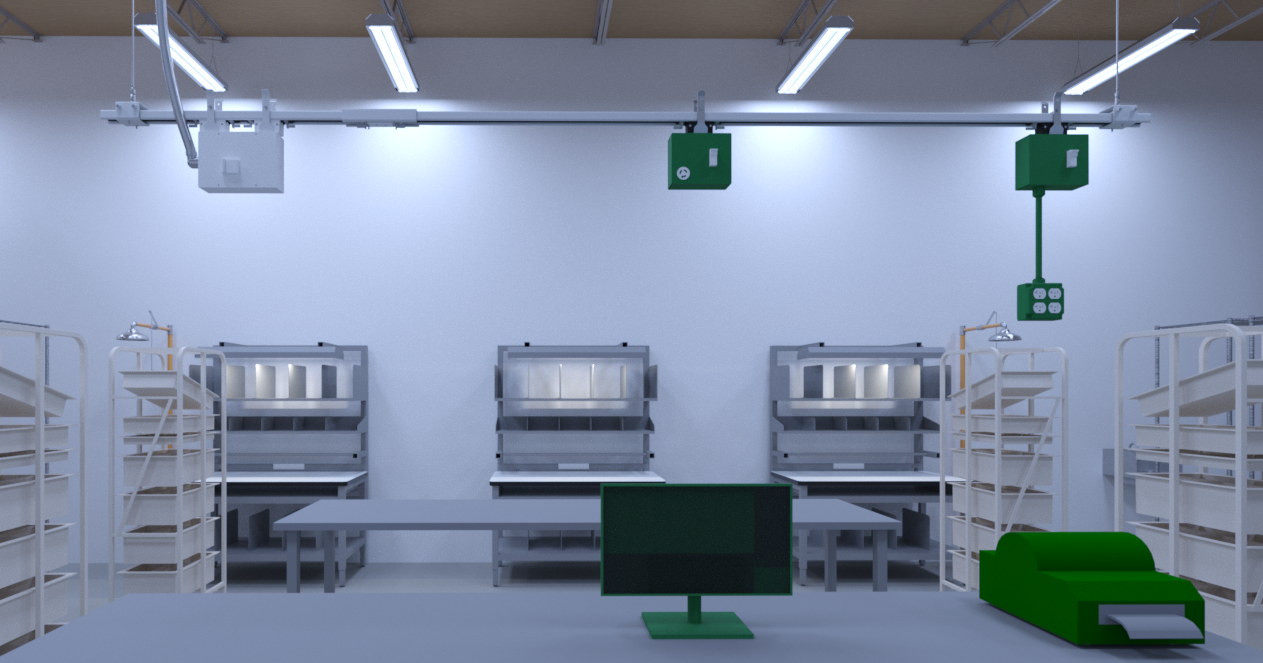
01 / Your new installationReady to Install
Your equipment and installers are ready, but the overhead route is still empty while you wait for busway.


“The installers are ready. The busway isn’t.”
“Glad we chose USA TrackBusway for its short lead times.”
Two More Power Drops
The busway is already installed. Two new workstations now need power, but the customer is waiting for compatible drop cords from the original supplier.

Customer“We need two more power drops at the new workstations.”
Supplier“The compatible drop cords could take a few months.”
“USA TrackBusway—glad we had it installed.”
Flexibility depends on access to the right parts. USA TrackBusway supports its modular systems directly from our Ohio factory, with core components on hand for replacement and expansion orders.
Existing compatible tap-offs no longer needed elsewhere on your run may be repositioned by qualified personnel following the system instructions. Need new T225 tap-offs instead? Plan around eight weeks until we confirm your order’s shipment schedule.
Replacement parts & support →T225 system & installation information →
T40 Systems — 3 to 4 Weeks
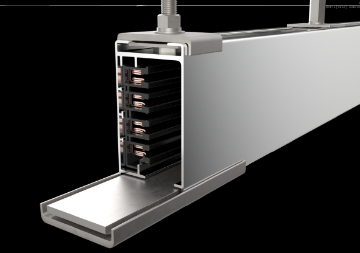
T40 40A Track Busway provides 40A per feed. Complete systems, including tap-offs, typically ship in 3 to 4 weeks.
Build ROWs, GRIDs and RECTANGLEs from coordinated busway lengths, feeds, joiners and hangers. Include your selected tap-offs in the bill of materials so the order covers the complete installation.
T225 Systems — 8 Weeks
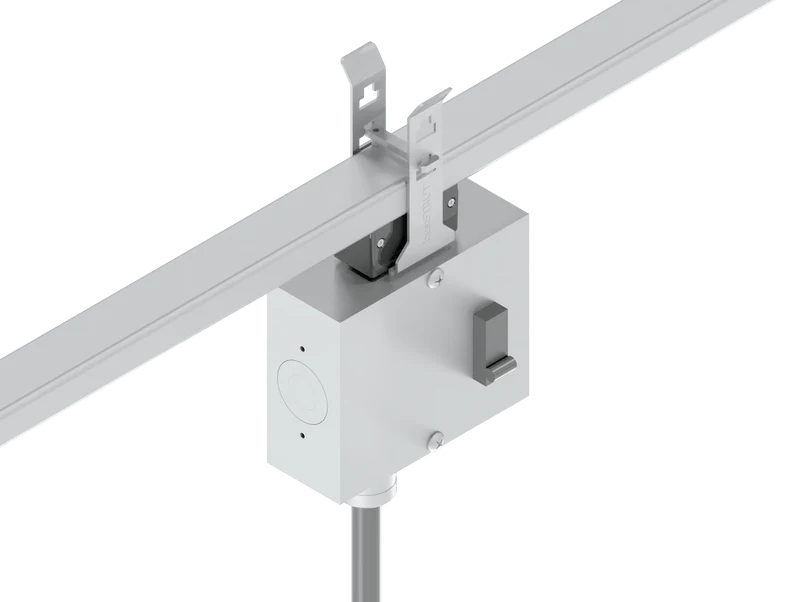
T225 225A Track Busway provides up to 225A per phase, per feed. Complete systems, including tap-offs, typically ship in 8 weeks.
Coordinate the feeder arrangement and tap-off specifications with the layout. Include receptacles, breakers, cord lengths and any monitoring in the bill of materials.
Stocked Parts & Ongoing Support
We keep core modular components in stock to support USA TrackBusway installations, replacement needs and future expansion. Our team is ready to help you identify the right parts for your system.
Send your part numbers, component-label photos or original order reference. We’ll match the components to your installation and coordinate shipment. Parts orders have their own shipment schedule, separate from the complete-system lead times above.
Our parts support is for USA TrackBusway systems. We do not offer replacement tap-offs for Starline systems.
Plan Your Shipment
Send your layout or bill of materials, quantities, tap-off requirements, delivery destination and required on-site date. Your dated quotation or order confirmation will identify:
- The complete scope and any drawing approvals needed to release production.
- When the quoted production period begins and the planned shipment date.
- Freight transit time and any agreed partial shipments.
Published lead times are planning estimates; see our shipping policy. Contact our team to coordinate your order.
Complete-system planning estimates last reviewed October 6, 2026. Replacement-part shipment schedules are confirmed by order.

Modular Systems. Factory Support.
Our systems use a focused set of modular busway lengths, feeds, joiners, hangers and plug-in connections. Keeping core components on hand supports new layouts, replacements and expansion from the same system family.
Work directly with our Ohio team to coordinate your layout, select matching parts and plan shipment. Keep the original bill of materials and system details with your facility records so future additions are easier to specify.
Project-specific configurations such as isolated ground (IG), 200% neutral (N2), or 200% neutral + isolated ground (N2IG) may require additional review against drawings, load calculations, voltage system, and electrical engineer requirements.
Review grounding and conductor configuration guidance.
Lead-Time Questions
A complete T40 (40A per feed) system including tap-offs typically has a production lead time to shipment of 3 to 4 weeks. Confirm the complete bill of materials, required approvals, quoted start date and shipment schedule for your order. Freight transit time is separate.
Tap-offs are included in the complete-system estimates: 3 to 4 weeks for T40 and 8 weeks for T225. We keep core modular components in stock for USA TrackBusway replacement and expansion needs. Send your system details or part numbers so our team can match the components and coordinate shipment. Parts orders have their own schedule, separate from complete-system production. Get replacement-parts support.
A complete T225 (225A per feed) system including tap-offs typically has a production lead time to shipment of 8 weeks. Confirm the complete bill of materials, feeder and tap-off configurations, required approvals and quoted shipment schedule.
Send your required on-site date, destination, layout or bill of materials, quantities and tap-off requirements. Factory-direct layout and quotation support helps coordinate the complete scope and confirm a project-specific production and shipment schedule. Ask about unresolved approvals or configuration choices before release. Expedited timing, partial shipments and delivery dates require confirmation for the order.
Confirm the complete layout, bill of materials and tap-off configuration early. Your dated quote or order confirmation should identify what is required to release production and when the quoted period begins. Include drawing approvals, receptacle and breaker selections, monitoring, and changes to quantity or scope. The first inquiry does not establish the production start date; freight transit is separate.
Compare current, dated quotes for the same complete scope: busway, feeds, joiners, supports and all specified tap-offs. Ask each supplier when the quoted period starts, which approvals are required, whether components ship together, and whether the date means factory completion, shipment or delivery. A past project quotation is not a current lead-time commitment. Confirm replacement or expansion-part schedules separately for the installed manufacturer’s system.
