
Why Choose Track Busway?
When a bench, machine or rack moves but the overhead power route can stay in place, a compatible tap-off can move with the equipment. That flexibility is the main reason to choose continuous-access track busway.
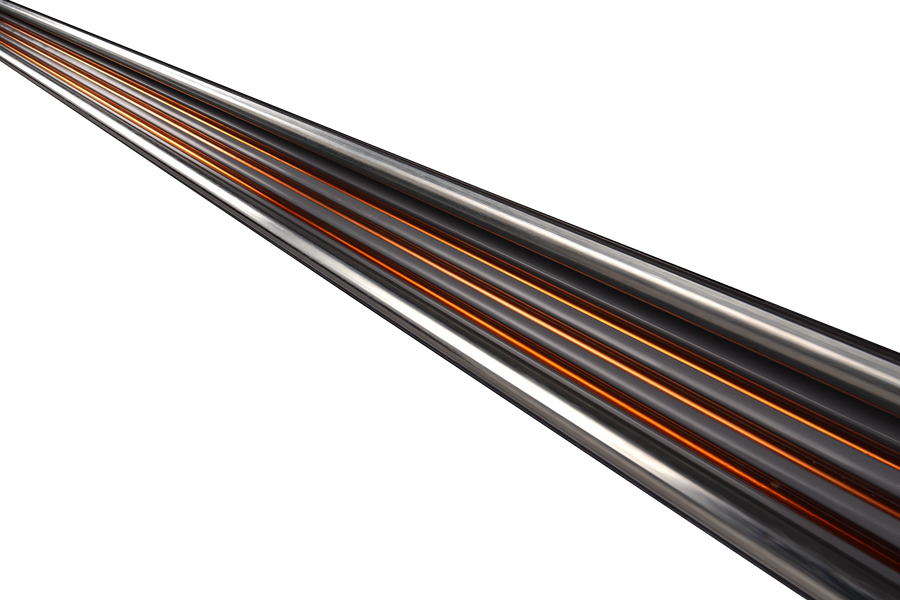
Adapt power access as your layout changes
Continuous access lets qualified personnel reposition compatible tap-offs at approved locations along the run. If the overhead route still fits the new layout, the busway can stay in place. Fixed-opening busway limits connections to factory-set openings.
Relocating a hardwired outlet requires an electrician to change the fixed wiring. Include that labor and any downtime when comparing costs.
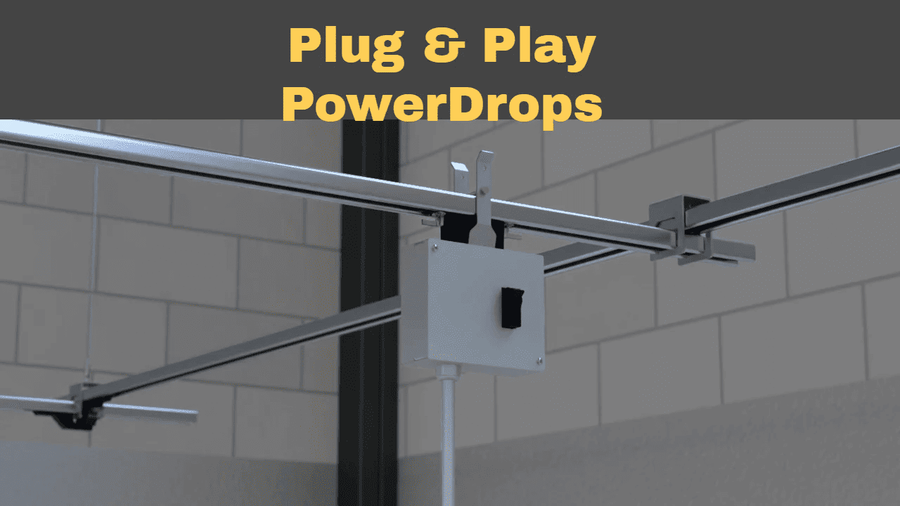
See how a PowerDrop moves
Watch the T40 Flip Fitter rotate 180° to select a circuit. The overhead run stays in place.
Qualified personnel must follow the selected device’s instructions and site procedures. Where energized relocation is permitted, keep the tap-off breaker OFF during removal and installation. Installation instructions →
Video library →What happens when the next machine needs more power?
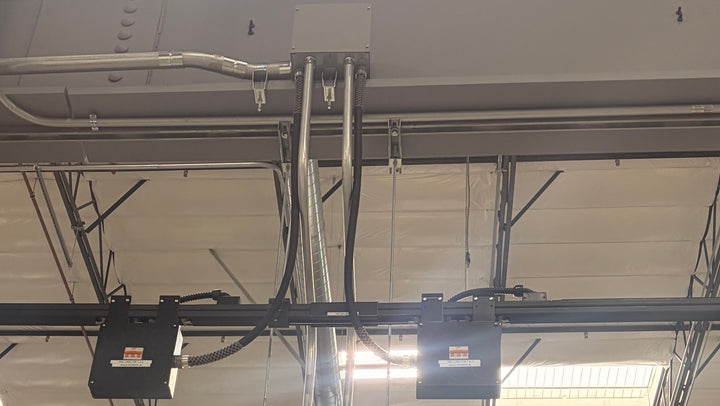
Moving a machine changes where you need power. Adding one can also change how much power the row needs. In this T40 installation, one splitter supplies two separately protected sections along the same physical row. Each section retains its 40A-per-phase rating.
Which system fits your layout?
If your equipment will move, compare continuous-access systems for the same run load, tap-off size and feed locations.
