Icon representing flexible overhead power drops for USA TrackBusway
system

FEEDs

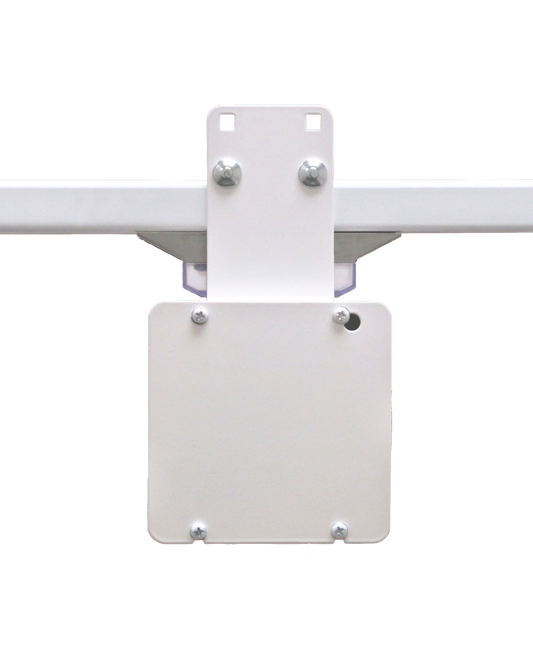
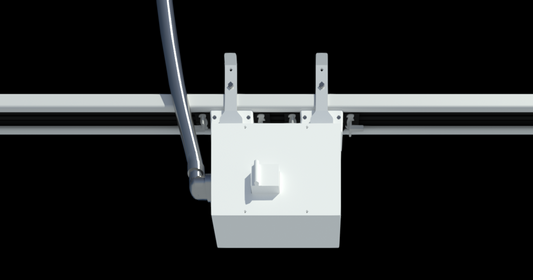
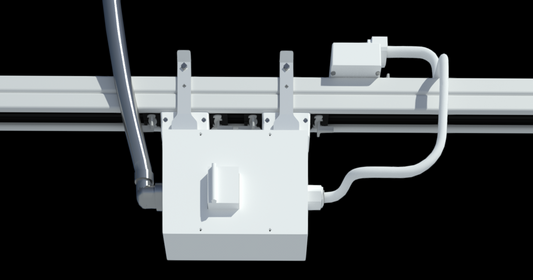
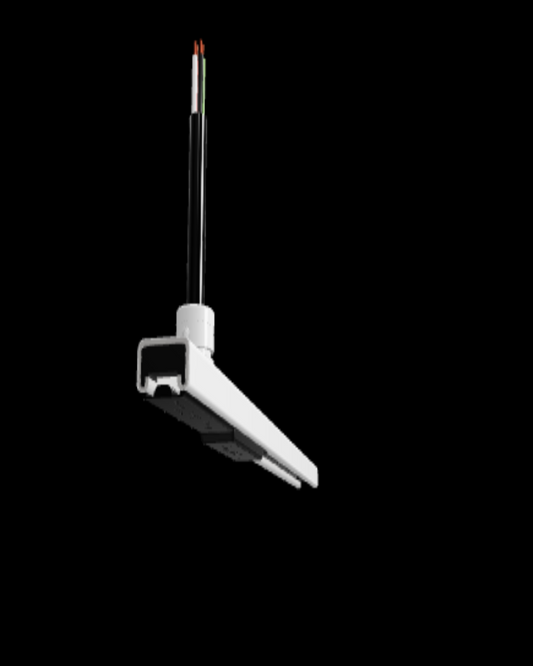
Busway Feeds — Power Entry for Track Busway Systems

Track Busway feeds are the starting point of the system—introducing power from panels, switchgear, or transformers into the overhead busway.
Available as end feeds, line feeds, and junction feeds, these components allow power to enter the busway where it makes the most sense for your layout, supporting flexible circuit distribution without rigid conduit runs.

By separating power entry from power distribution, Track Busway feeds make it easy to scale, relocate, or add circuits as equipment and layouts evolve—without reworking the entire electrical infrastructure.

application photo of stacked track busway with two feeds, one on top and bottom
Busway Track Power FEEDs

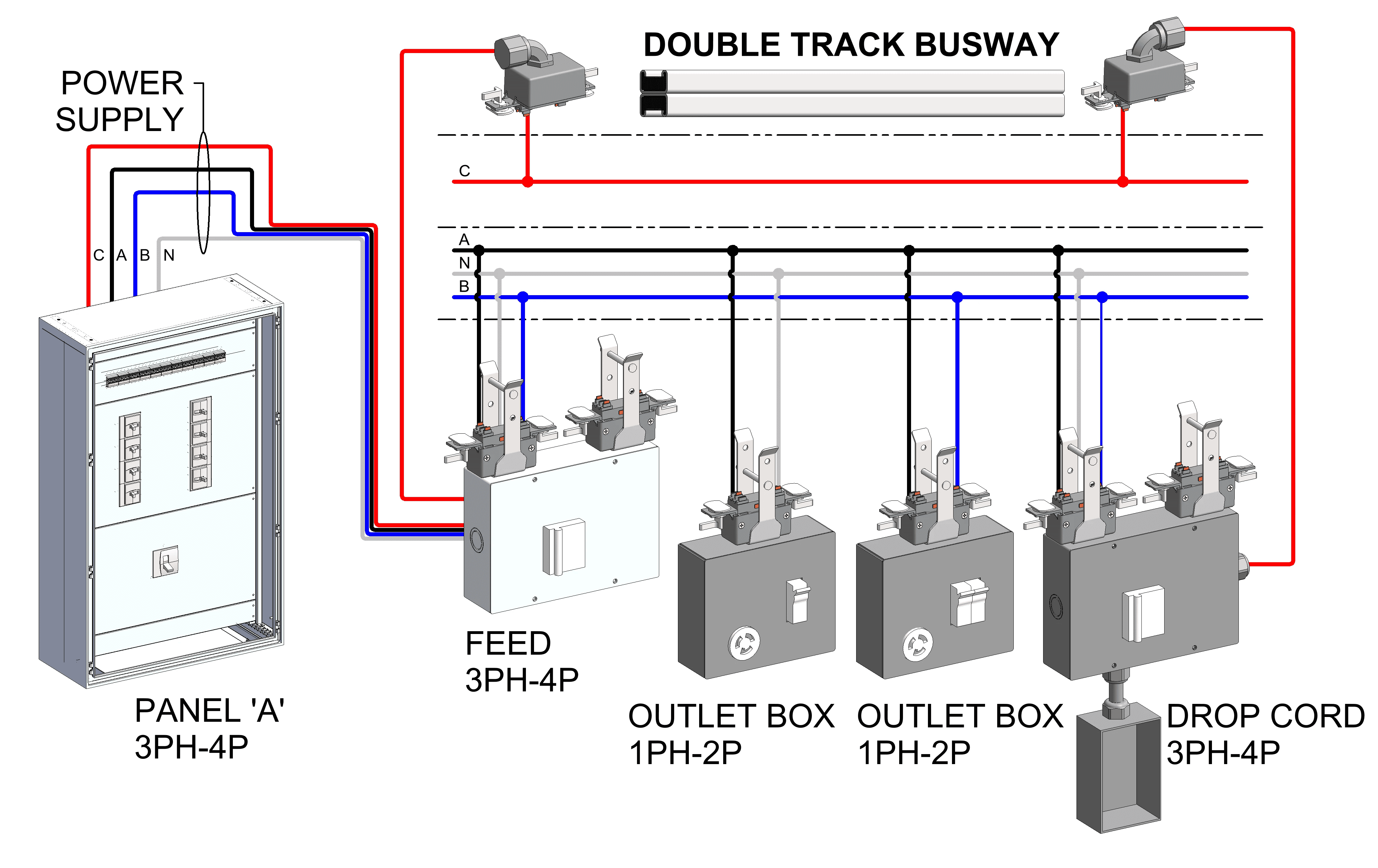
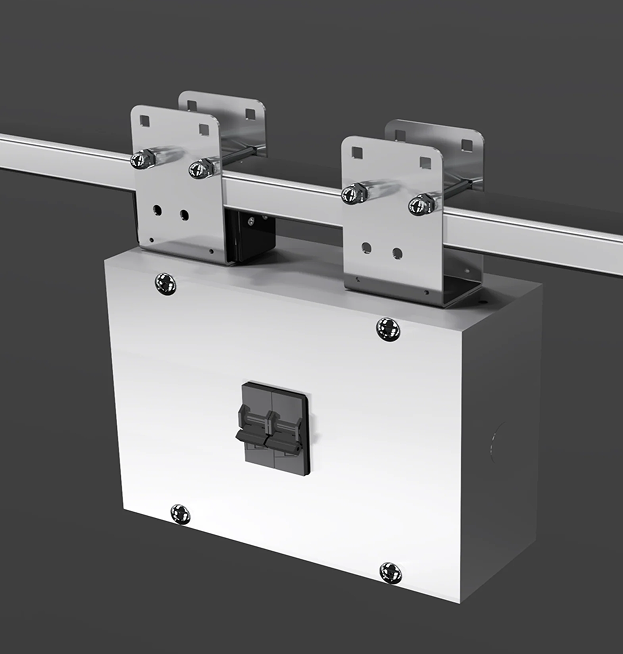
The electrical busway track power feeds provide an effective and protected connection between the power source and the busway.

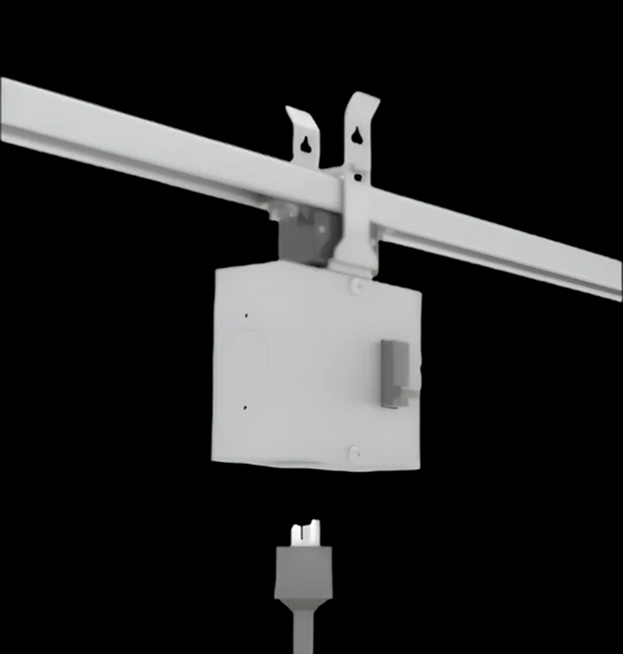
These electrical power track power feeds can be positioned anywhere on the steel track busway, typically closest to the panel, thereby signficantly reducing pipe-and-wire conduit.

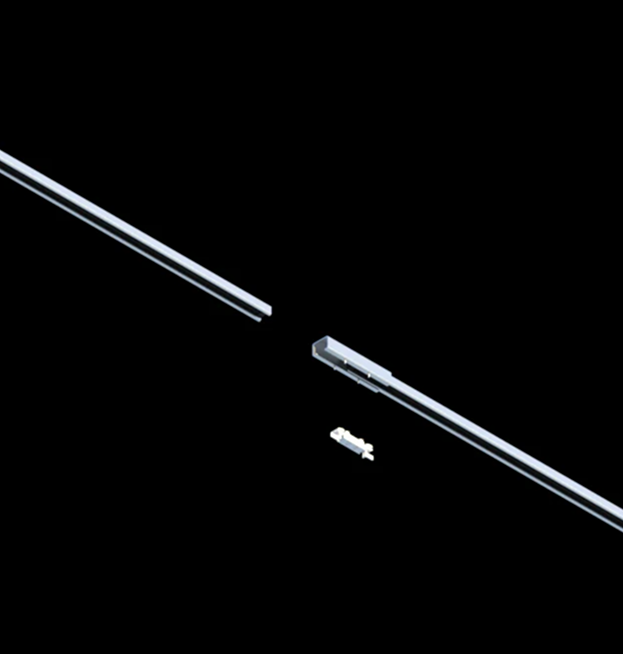
The busway track power distributor system allows for additional circuitry to be added after a joiner, provided a non-electrical insert has been installed, offering unparalleled flexibility for expanding or modifying layouts.

Single-Phase Feed Configuration

This diagram illustrates a single-phase Track Busway feed supplying 120V or 277V power to a busway run. Single-phase feeds are typically used for lighting circuits, receptacle loads, and lower-power equipment where three-phase distribution is not required.

Single-Phase Feed Configuration
Three-Phase / 480V Feed Configuration

This diagram shows a three-phase Track Busway feed delivering 208V, 240V, or 480V power to the busway. Three-phase feeds are used for higher-load applications, mixed circuit distribution, and equipment requiring balanced three-phase power.

Three-Phase Feed Configuration