Design Center
Use the Design Center to plan layout approach, feeder strategy, feed point spacing, 450A splitter-based T225 distribution, BIM assets, and drawing deliverables for ROW, GRID, and RECTANGLE systems.

Build and Price Your TrackBusway Layout in 3D
Use the 40A and 225A configurators to explore run lengths, identical runs, PowerDrops, feeds, and splitter options. Build a layout in 3D and see the component pricing update as you configure.
What you get
Our Design Center provides complimentary layout confirmations for ROW, GRID, and RECTANGLE systems, including structured drawing set references, feeder strategy, feed point spacing, 450A splitter planning, T225 split-run layouts, and configuration guidance. You’ll also find BIM and Revit-ready Product data sheets, BIM and CAD files, downloadable technical assets, and system overview materials to support accurate planning, installation coordination, and future expansion.
-

Complimentary Design Drawings
Request a layout drawing set to confirm feeder strategy, circuit distribution, and typical configuration selection before release.
Request Complimentary Layout -

Splitter-Based Feeder Planning
Coordinate 450A splitter locations, two 225A T225 sources per splitter, split-run layouts, and larger 900A or 1800A project distribution strategies. Use this when planning where power should enter the busway and how often additional splitter locations may be needed across the layout.
Plan Splitter-Based Distribution -

Track Busway technical resources
Download Revit families and technical assets to model Track Busway runs, feeds, and plug-in units in your project.
View Download technical drawings, data sheets and BIM files -

System Design Overview
Learn how to select feeds, runs, intersections, and plug-in units when planning ROW, GRID, and RECTANGLE layouts.
View System Design


Need help selecting the right configuration?
Send a reflected ceiling plan, sketch, equipment layout, or dimensions and we’ll help confirm layout approach, feeder strategy, feed point spacing, 450A splitter placement, and how often power should be supplied to the busway.
Project questions are handled by USA TrackBusway’s support team, including Michael “Mike” Gellert, President of USA TrackBusway.
Applications
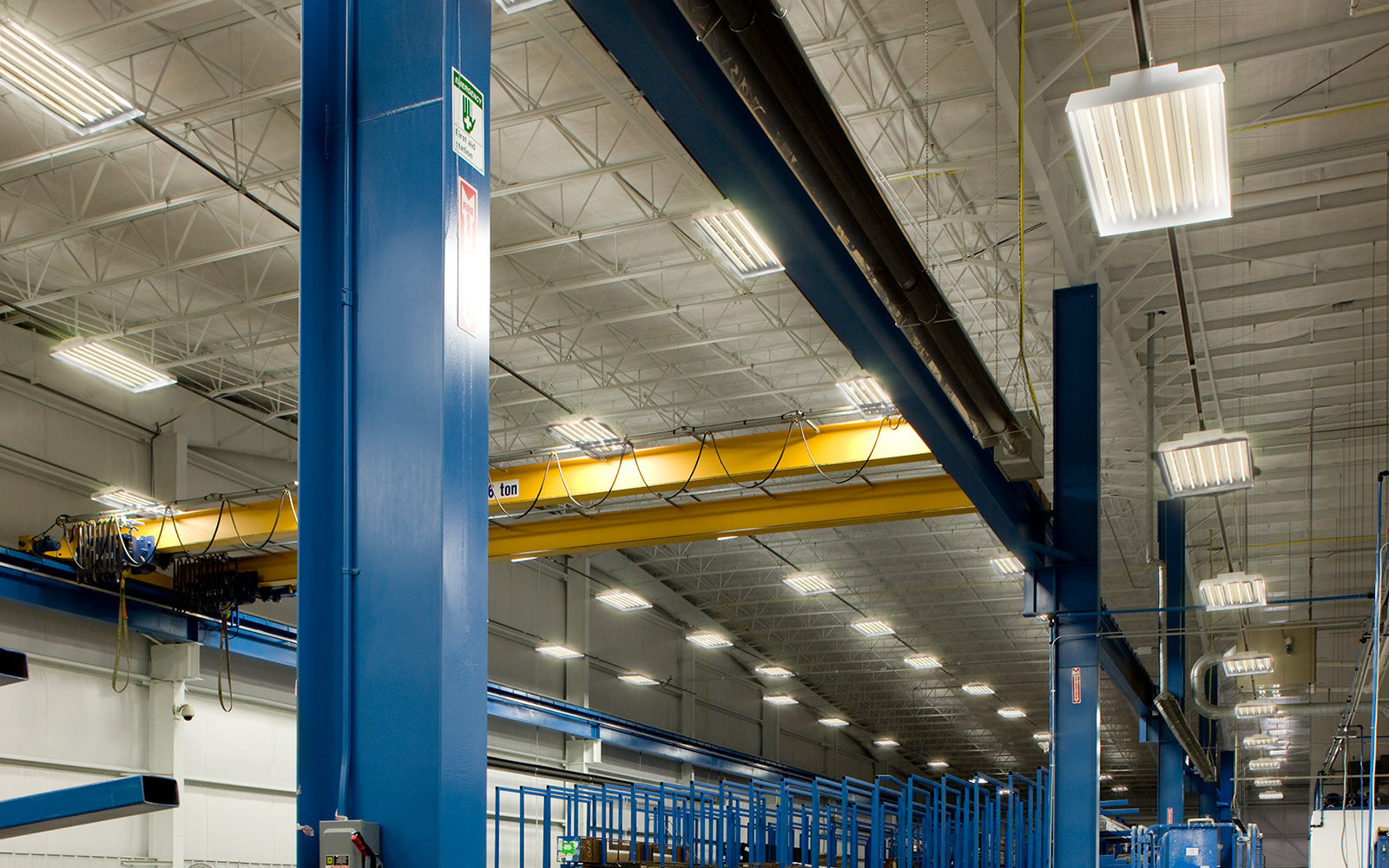
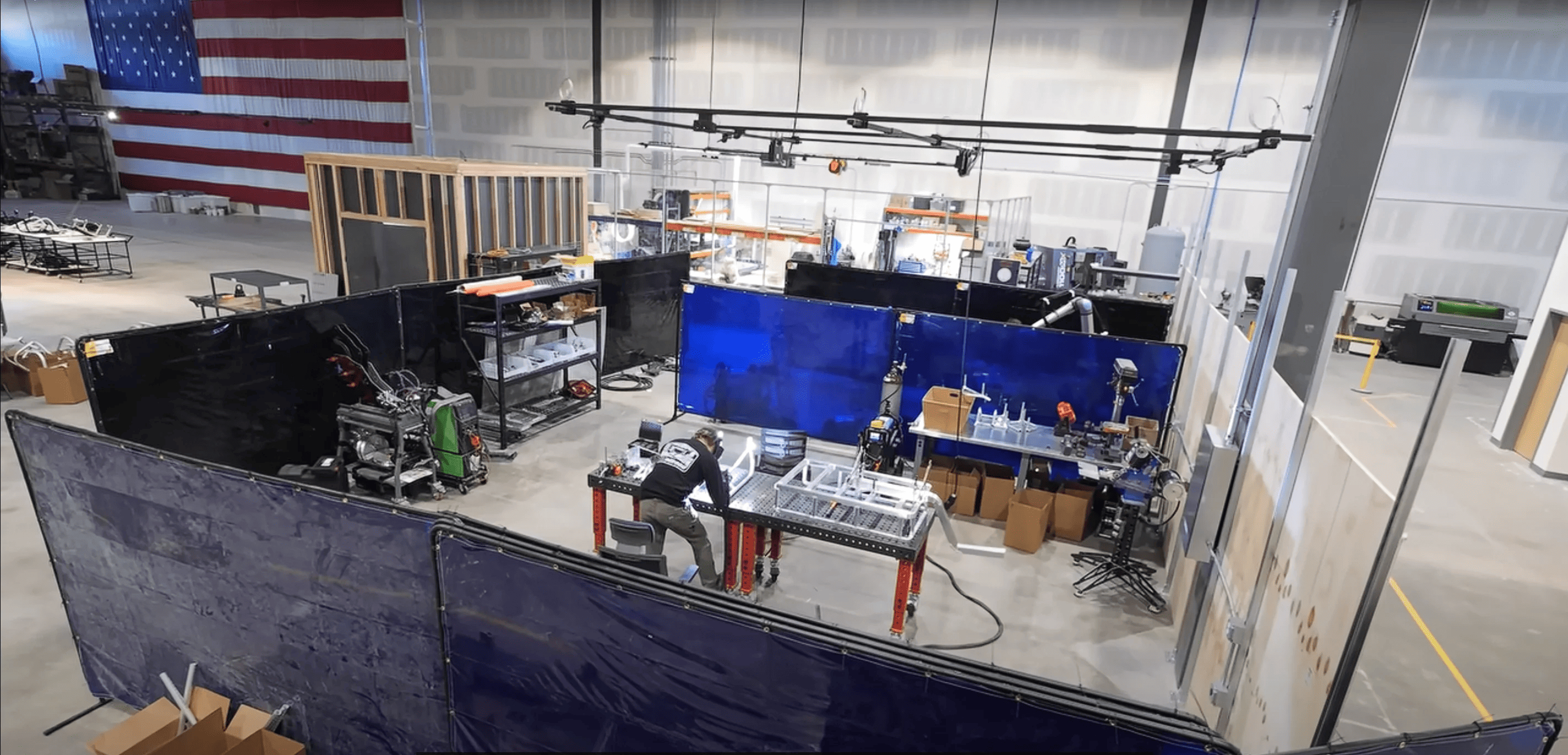
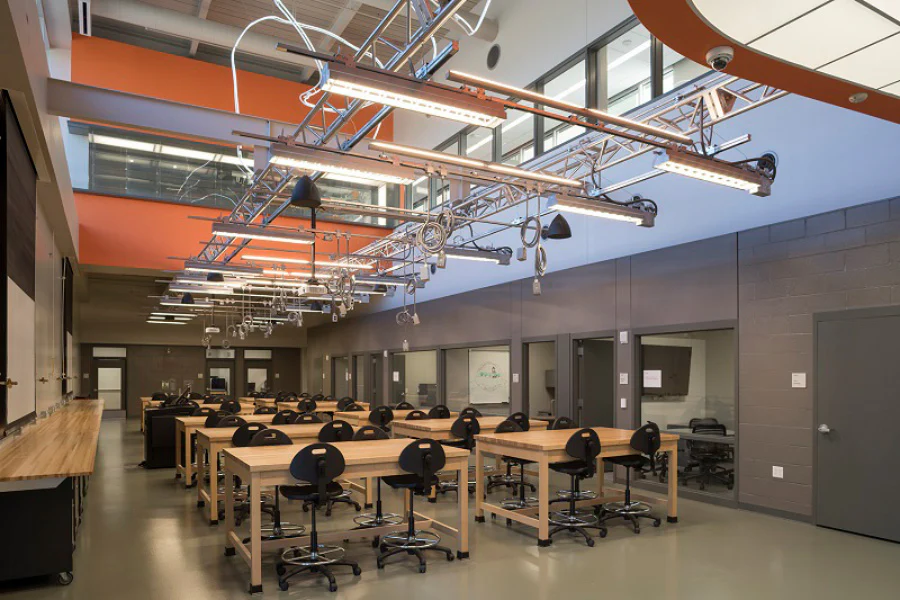
Explore Track Busway applications for industrial, office, laboratory, automotive, and data center spaces. Use these examples to understand how overhead plug-in power distribution can support different layouts, equipment zones, and project requirements.