

What Is a Track Busway ROW?
ROW kits are straight runs of USA TrackBusway
designed to bring plug-in power directly over work areas. Each ROW combines pre-wired lengths, feeds, and PowerDrops so you can suspend single- or three-phase power exactly where you need it — without building a full grid.
For additional installation scenarios, configuration examples, and system overviews, visit the Track Busway Video Library →
Track Busway ROWs are built from pre-wired lengths that can be joined together to extend the run wherever power is needed.
Each length arrives factory-sealed, and circuitry continues by inserting a joiner between adjoining lengths. If a run should stop electrically, it can dead-end at that point. If new circuitry is needed farther down the ROW, a new feed can be added to start a separate powered section.
This modular approach allows overhead power distribution to expand, stop, or restart exactly where needed without redesigning the entire system.

BusBar Configurations
The busbar conductor layout determines the voltages available along the ROW.
Single-phase ROWs use three conductors (L-L-N) for 120V and 208Y systems.
Three-phase ROWs use four conductors (L-L-L-N) for 208/480V distribution.
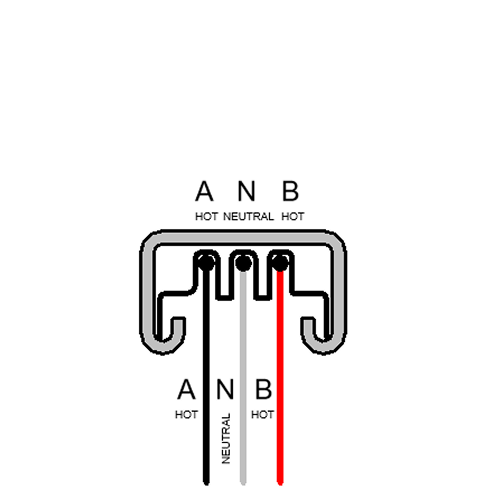
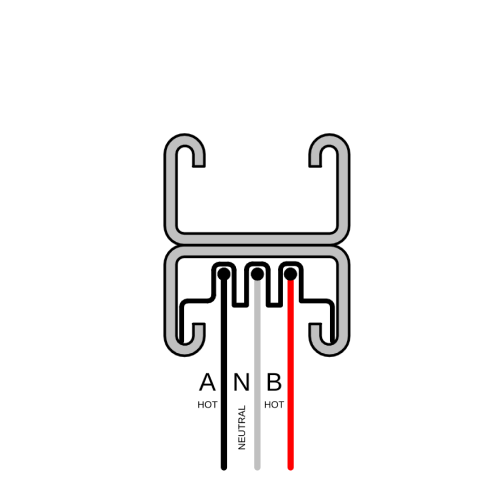
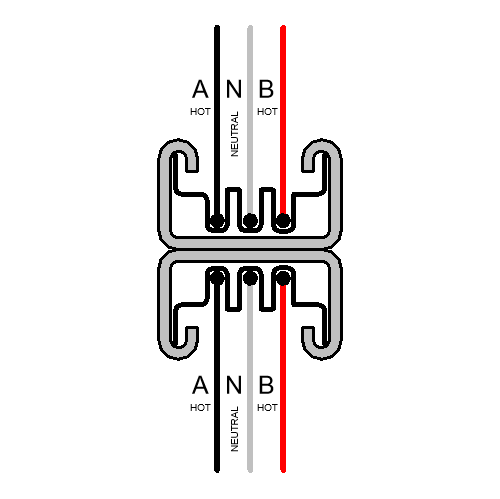
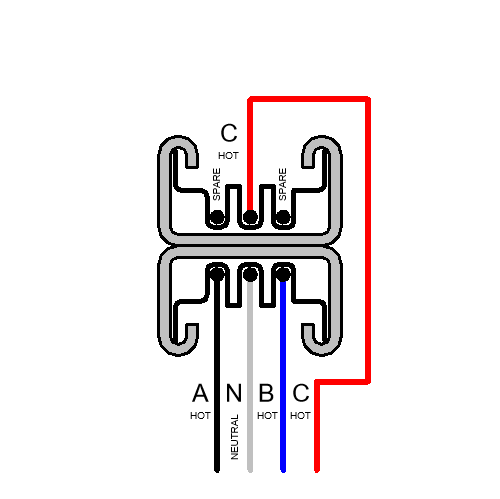
ROW Installation Options — Visual Overview
See how Track Busway ROWs are installed across single-phase, three-phase, double-deck, and built-in cable tray configurations.
 USA TrackBusway Installation Options & Configurations →
Every USA TrackBusway® length arrives with a factory-installed endblock that electrically seals that specific segment within the run.
To carry power forward, simply add a joiner insert that bridges the endblocks of adjoining lengths. Or start new circuitry using a feed length.
This design gives you full control — extend circuits where needed or keep runs electrically isolated, all with built-in flexibility.


ROW for Plug-In PowerDrops


Plug-In Busway Fittings


3-Pole Plug-In Busway Fitting

Not sure what Double-Deck means?
Single-Deck ROWs use one busway level to deliver power along the run.
Double-Deck configurations stack two busway levels, allowing additional circuits or separation of power and data.
Both configurations support single-phase and three-phase applications depending on system design.


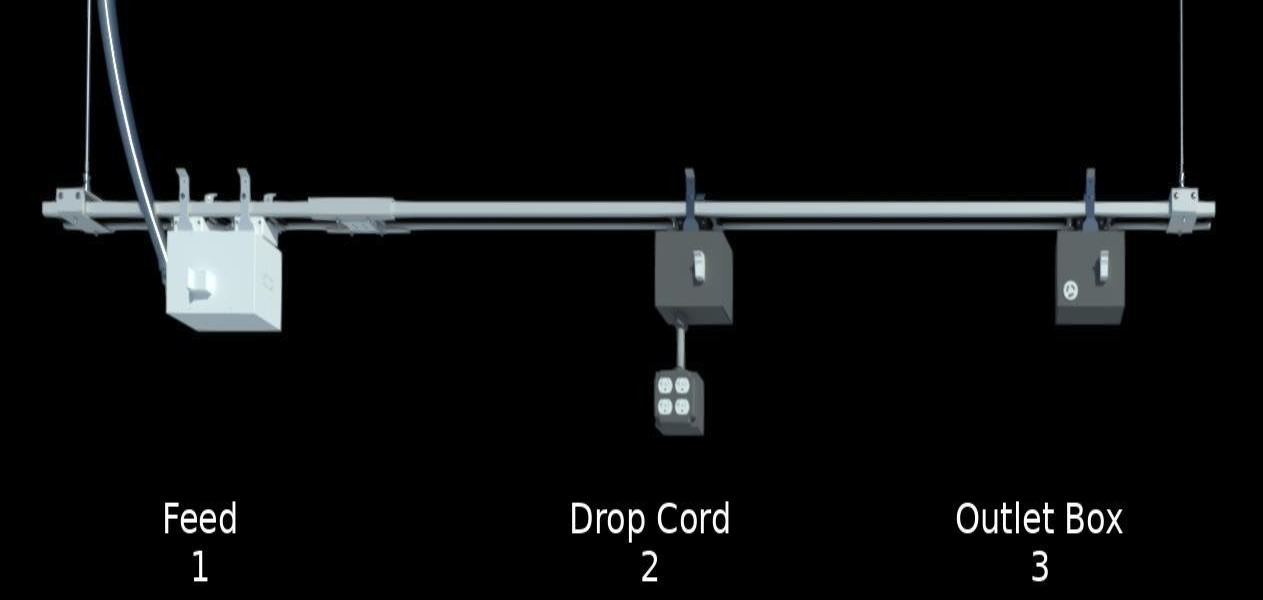
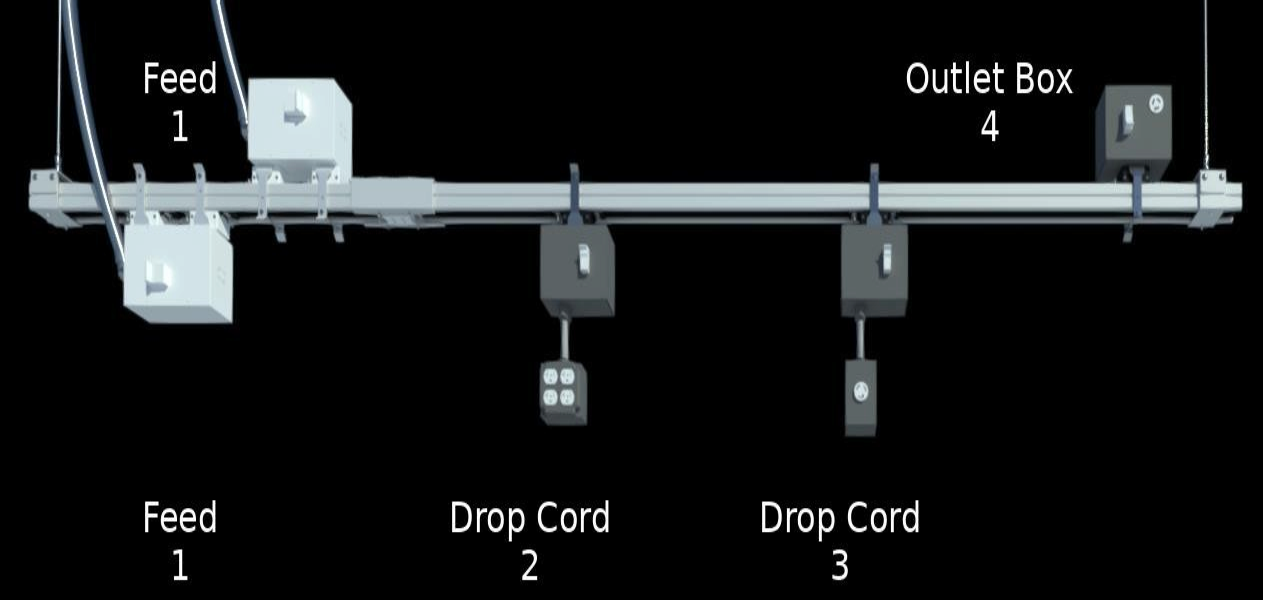
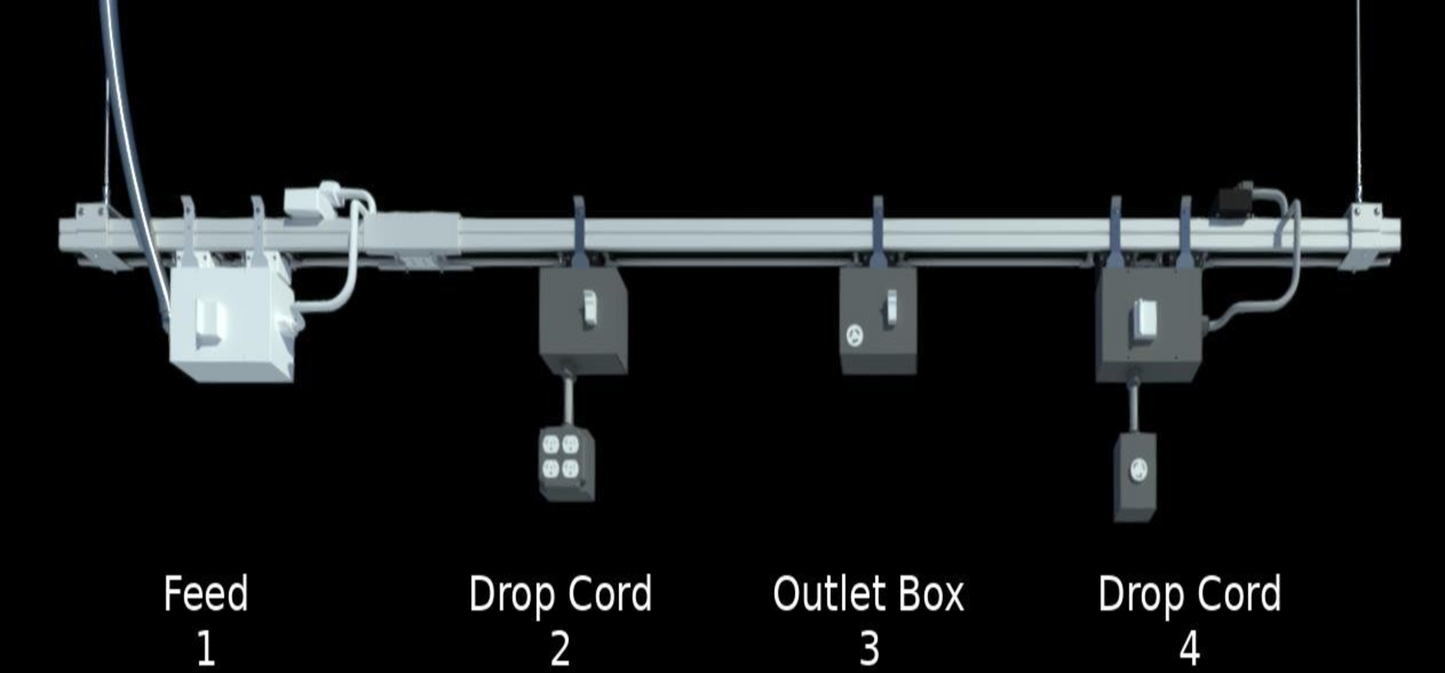
Tap-Off Boxes I Customizable Plug-In Units
Plug-in tap-off units connect directly into Track Busway to deliver power where it’s needed along the run. These customizable units provide protected branch circuits and flexible access to overhead power without rewiring.


