


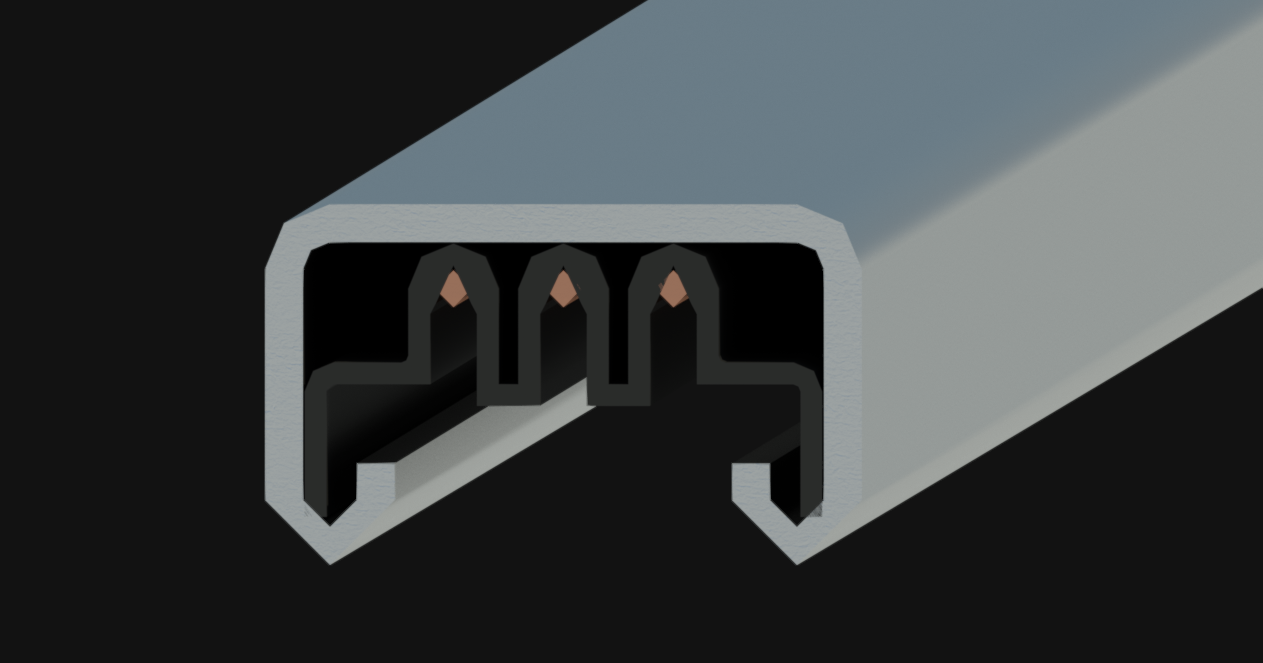
Busway is commonly made in sandwich-style or air-insulated construction. Sandwich busway places conductors close together in a compact housing, while air-insulated busway uses spacing between conductors and enclosure walls.

What Is Busway in Electrical Systems?
Busway is a prefabricated electrical distribution system that delivers power through enclosed conductors inside a protective housing.
This page explains what busway is, how it differs from conduit and bus duct, the main types of busway systems, and the U.S. standards that apply, including NEC Article 368 and UL 857.
How a Busway System Works
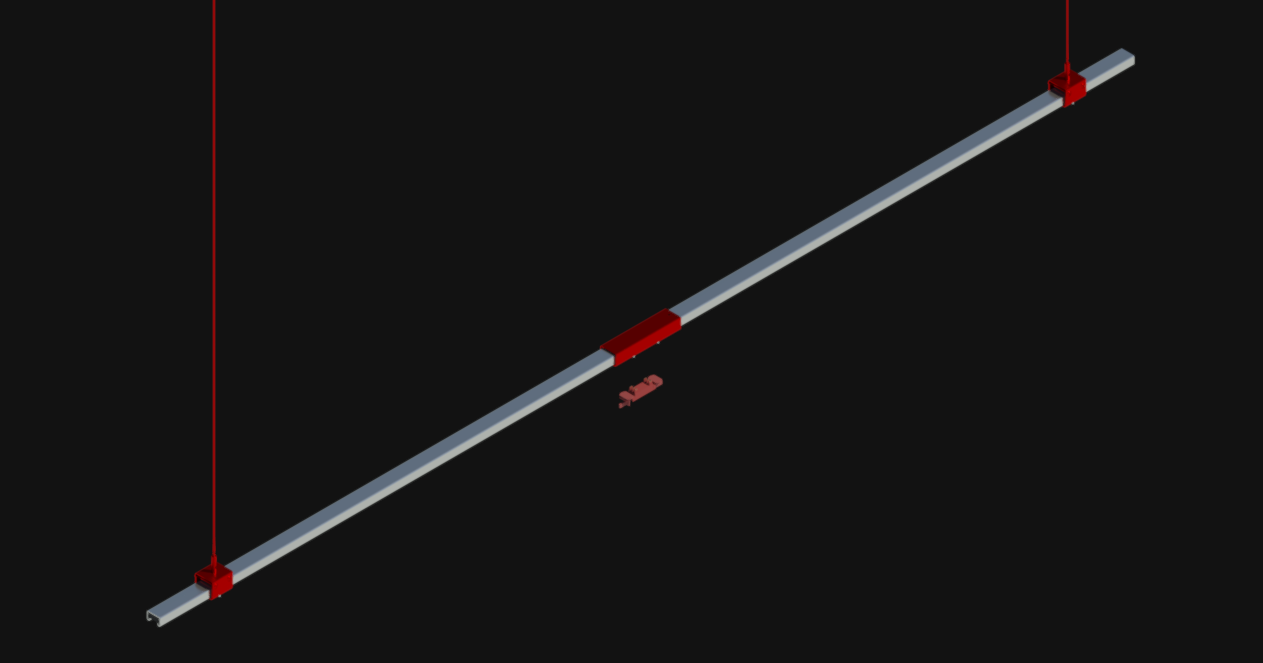
This diagram shows how a run is built — only a few modular components are required for plug-and-play overhead power. Click any thumbnail to view the product.
How a Busway System Works
This diagram shows how a run is built — only a few modular components are required for plug-and-play overhead power. Click any thumbnail to view the product.
Before comparing busway, plug-in busway, bus duct, busbars, and conduit side by side, it helps to define how each term is commonly used in electrical distribution.
Plug-in busway is also commonly written as plug in busway, and this guide explains how that category differs from feeder busway, bus duct, open-slot Track Busway, and the plug-in devices used to connect loads.
The short sections below clarify the core terminology first, and the table then summarizes the distinctions in a faster scan format.
What Is Bus Duct?
Bus duct is a common term for busway, especially feeder busway used to move power between major pieces of electrical equipment. In many projects, “bus duct” refers to enclosed busbars used for backbone distribution rather than repeated plug-in access along the run.
Busway vs Bus Duct
Busway is the broader technical term for a prefabricated enclosed power distribution system. Bus duct is a common industry term for the same type of assembly, often used when referring to feeder sections between switchgear, transformers, and panelboards. In many U.S. applications, the terms overlap.
What Are Busbars?
Busbars are solid metal conductors, usually copper or aluminum, that carry electrical current. They are the conductive elements inside busway, switchgear, panelboards, and other electrical distribution equipment.
What Is a Busbar System?
A busbar system is an assembly that uses busbars to distribute electrical power. Busway is one type of busbar system because it encloses and supports busbars inside a protective housing with joints, fittings, and access devices.
What Is UL 857 Busway?
UL 857 is the product standard commonly associated with low-voltage busway in the United States. It defines busway as a prefabricated electrical distribution system that includes enclosed bus bars, joints, fittings, and accessories.
Busway vs Bus Duct vs Busbar vs Conduit
The table below gives a quick side-by-side comparison of how these terms are typically used.
| Distribution Method | How It Differs | Typical Use |
|---|---|---|
| Conduit | Field-installed raceway for individual wires rather than a prefabricated enclosed busbar system | Branch circuits and custom field wiring layouts |
| Busbar | Solid conductor only, not a complete enclosed distribution system by itself | Internal power distribution within equipment |
| Bus Duct (Feeder Busway) | Enclosed busbar assembly used mainly for backbone power distribution between major equipment | Electrical rooms and backbone distribution |
| Plug-In Busway | Busway that provides access to power at designated tap-off locations along the run | Distributed power where layouts remain relatively fixed |
| Track Busway | Continuous-access busway that allows plug-ins anywhere along the run; learn more in What Is a Track Busway System? | Flexible overhead power distribution in dynamic environments |
Busway Systems: Types, Standards, and Applications
For additional installation scenarios, configuration examples, and system overviews, visit the Track Busway Video Library →
This overview introduces how busway systems are assembled, supported, and applied in real installations. It also helps explain the difference between feeder busway, plug-in busway, trolley busway, and modern open-slot Track Busway.
- Learn how Track Busway provides continuous plug-in access along the run
- Explore plug-in devices and power drops used for flexible equipment connections
- Compare traditional and modern systems in our Track Busway comparison guide
Busway Standards, Components, and Ratings
After defining the main busway terms, it is helpful to look at the standards, components, and rating categories that engineers and contractors use when evaluating a busway system. The items below summarize the most important technical frameworks without repeating the broader definitions above.
What NEC Article Covers Busway?
Busway is covered by NEC Article 368, which provides the National Electrical Code rules for how busway systems are installed and applied.
Core Components of a Busway System
A typical busway system includes conductors, housing, insulation, joints, fittings, hangers, and plug-in or tap-off devices. Together, these parts allow power to be distributed through modular sections and expanded as needed.
Busway Voltage Classifications
Low-voltage busway generally covers systems up to 600 V, while medium-voltage busway applies to higher-voltage distribution used in more specialized applications.
Construction Styles
Environmental and Enclosure Ratings
Busway systems may be rated for indoor or outdoor use and may be designed for conditions such as dust, moisture, or sprinkler exposure. The enclosure rating helps determine where the system can be safely installed.
Short-Circuit and Interrupt Ratings
Busway systems are evaluated for short-circuit and interrupt performance so they can be matched to available fault current and protective devices in the installation.
Bus Plug Types
Busway systems can use breaker-style plug-in units, fusible disconnect units, or other tap-off devices, depending on the voltage, amperage, and type of equipment being served. These devices provide access to power from the busway while maintaining overcurrent protection for the load.
Why Use Busway Instead of Conduit?
Busway is often selected over conduit when facilities want faster installation, cleaner overhead routing, and better long-term flexibility.
Unlike conduit, which requires more field-installed wiring, busway arrives as a prefabricated power distribution system. This can reduce labor on site, simplify installation, and help projects move faster.
Busway also makes future changes easier. When equipment layouts evolve, power distribution can often be extended or adjusted more efficiently than with traditional conduit runs.

Key advantages of busway systems:
- Faster installation — reduces field labor and wiring time
- Modular construction — supports phased builds and future changes
- Compact overhead distribution — uses less space than conduit and cable trays
- Enclosed design — supports safe, code-compliant installation
- Lower lifecycle cost — simplifies future changes and upgrades
Modern systems such as Track Busway build on these advantages by providing continuous plug-in access along the run, so power drops and devices can be positioned where needed instead of being limited to fixed connection points.

Major Types of Busway Systems
Busway systems come in several forms, and each serves a different role in electrical distribution. Some move large amounts of power through buildings, while others provide plug-in access along work areas where equipment connections may change.
The sections below explain three common busway types used in commercial and industrial design.
Feeder Busway
High-Amperage Bus Duct
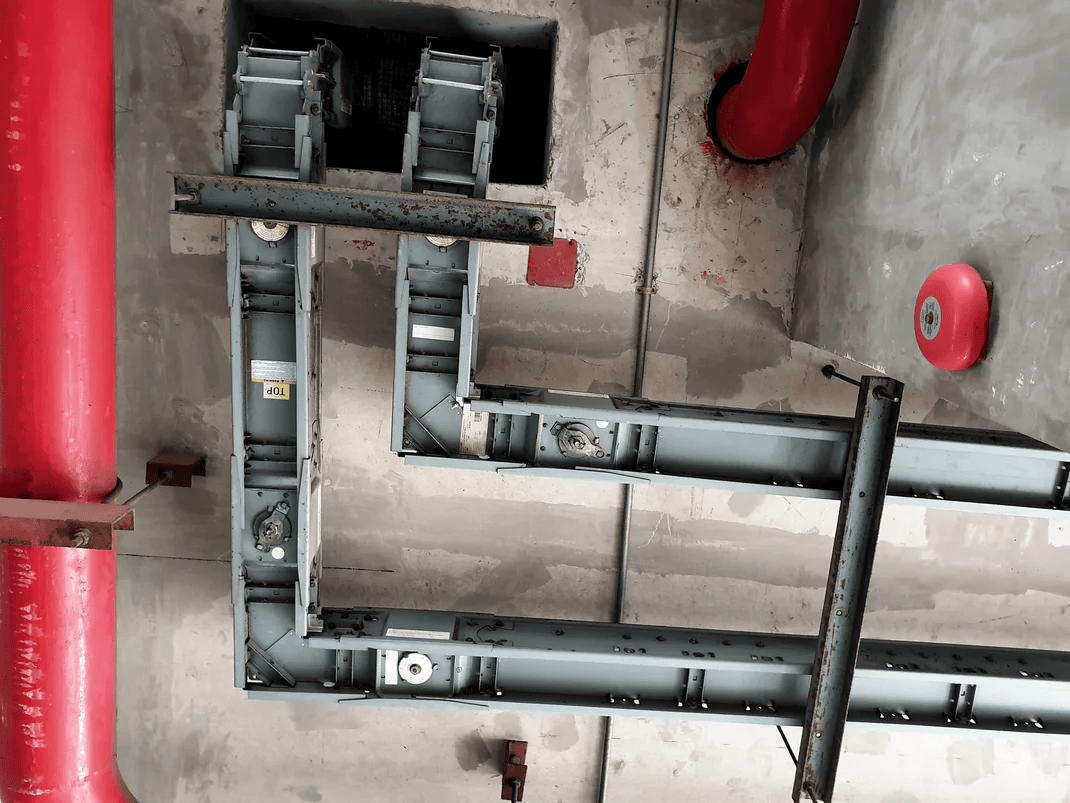
Feeder busway, often called bus duct, is used to move large amounts of power between major electrical equipment.
Bus duct is designed for backbone distribution rather than flexible plug-in access along the run.
Why choose Track Busway instead?
Feeder busway is effective for moving large amounts of power between major electrical equipment, but it is not designed for flexible plug-in access along the run. Track Busway can provide a more adaptable alternative when power needs to be distributed overhead and repositioned as layouts change.
Best use of feeder busway
Feeder busway is typically best suited for backbone distribution where the goal is to carry power efficiently from one major point to another without frequent access points in between.
Plug-In Busway
Fixed-Window Systems
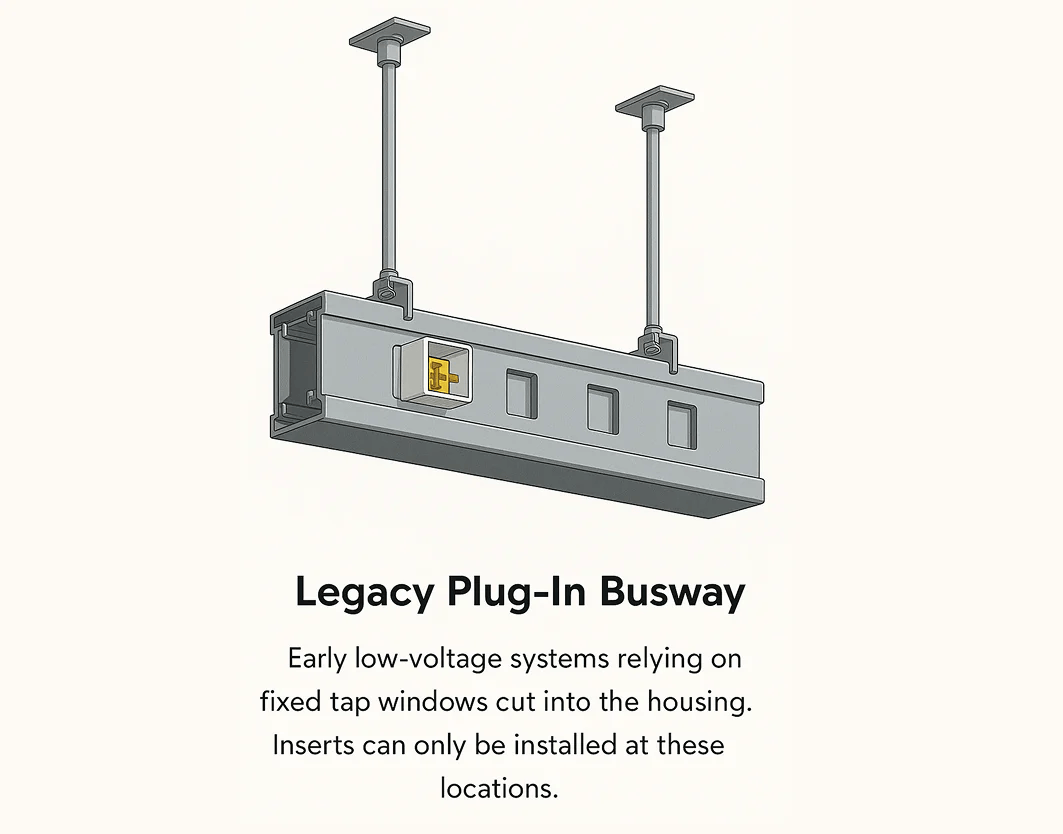
Plug-in busway is designed to distribute power along the run through plug-in units or tap-off devices.
Legacy plug-in busway uses fixed tap windows spaced at set intervals along the run. Plug-in units must align with those openings, which limits placement and reduces flexibility.
As a result, fixed-window systems are less suitable for spaces where equipment layouts change over time.
Why choose Track Busway instead?
Traditional plug-in busway provides access to power only at fixed tap-off windows. Track Busway offers continuous access along the run, which makes it easier to place or reposition power where layouts change over time.
Best use of fixed-window plug-in busway
Fixed-window plug-in busway is typically best suited for installations where equipment locations are known in advance and are not expected to move frequently after the system is installed.

Track Busway
Open-Channel Plug-In Busway
Open-slot Track Busway is a modern form of plug-in power distribution. Instead of fixed tap windows, it provides continuous access along the run, so devices can be added or repositioned where needed.
This makes it well suited for industrial, lab, manufacturing, R&D, and commercial spaces that need flexible overhead power.
