Busway Plug-In Units (Tap-Off Boxes)

Power Drops
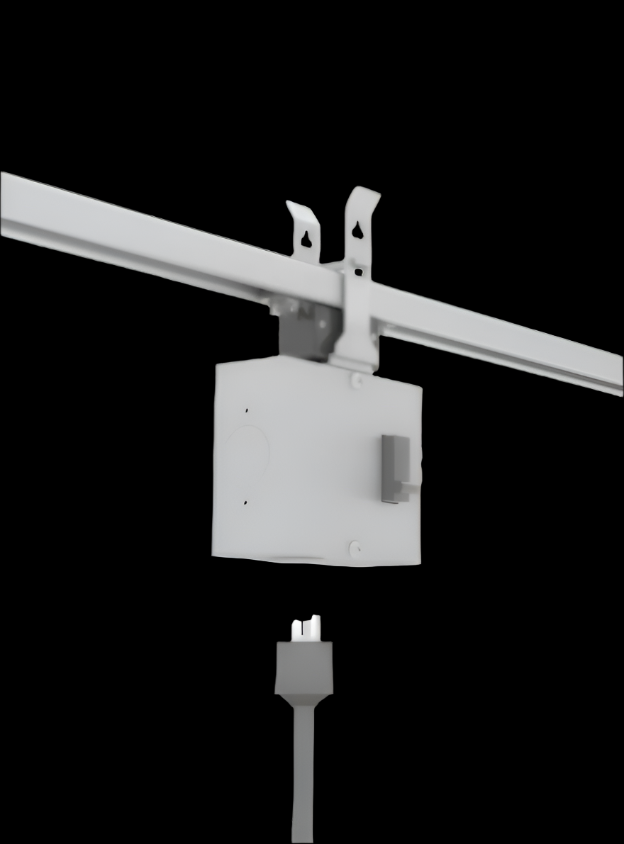
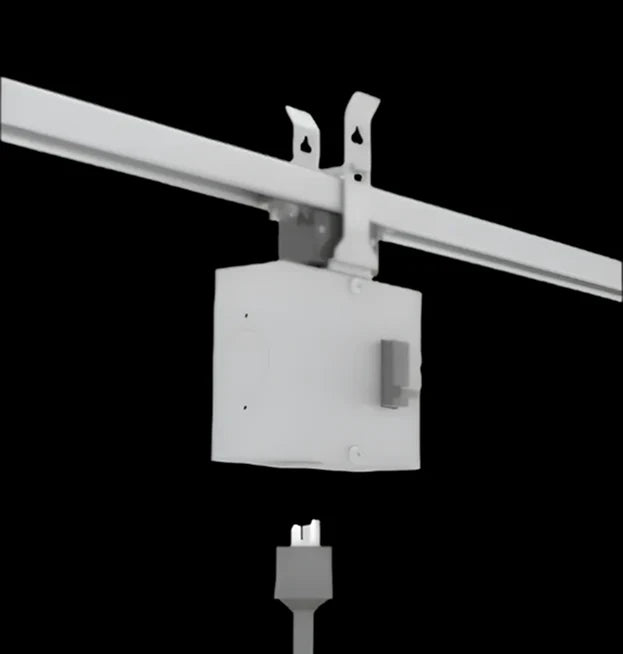
Track Busway with breakered power drop cord
View Power Drops

Track Busway plug-in units are available in several breaker configurations depending on application and voltage requirements. Pole count refers to the number of phase conductors switched by the internal circuit breaker in the plug-in unit, not the total number of conductors present in the Track Busway.

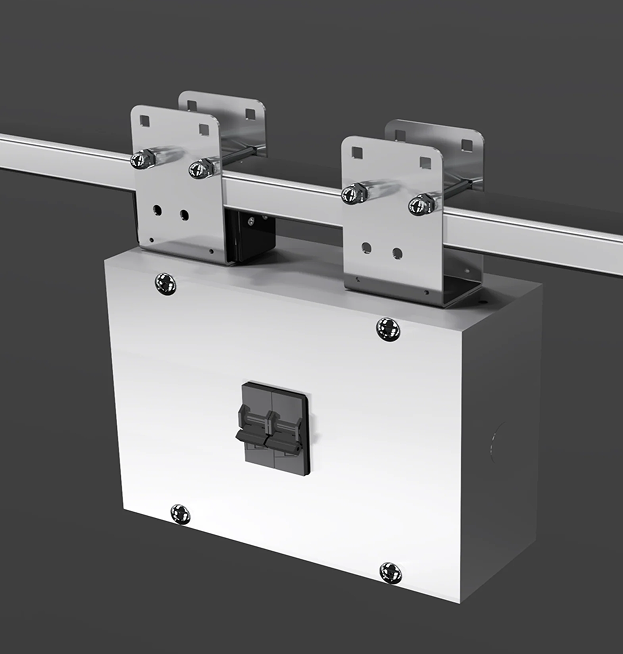
Track Busway plug-in units — often referred to as tap-off boxes — connect directly into the open-slot Track Busway channel to deliver flexible overhead power wherever it is needed.

These modular plug-in devices allow outlet boxes, drop cords, and equipment connections to be installed or repositioned anywhere along the busway run without cutting conduit or pulling new wire. Plug-in units can also be configured as power drops to deliver power directly below the overhead Track Busway.

For an overview of how busway systems distribute electrical power, see our Busway Fundamentals guide.

Outlet Boxes
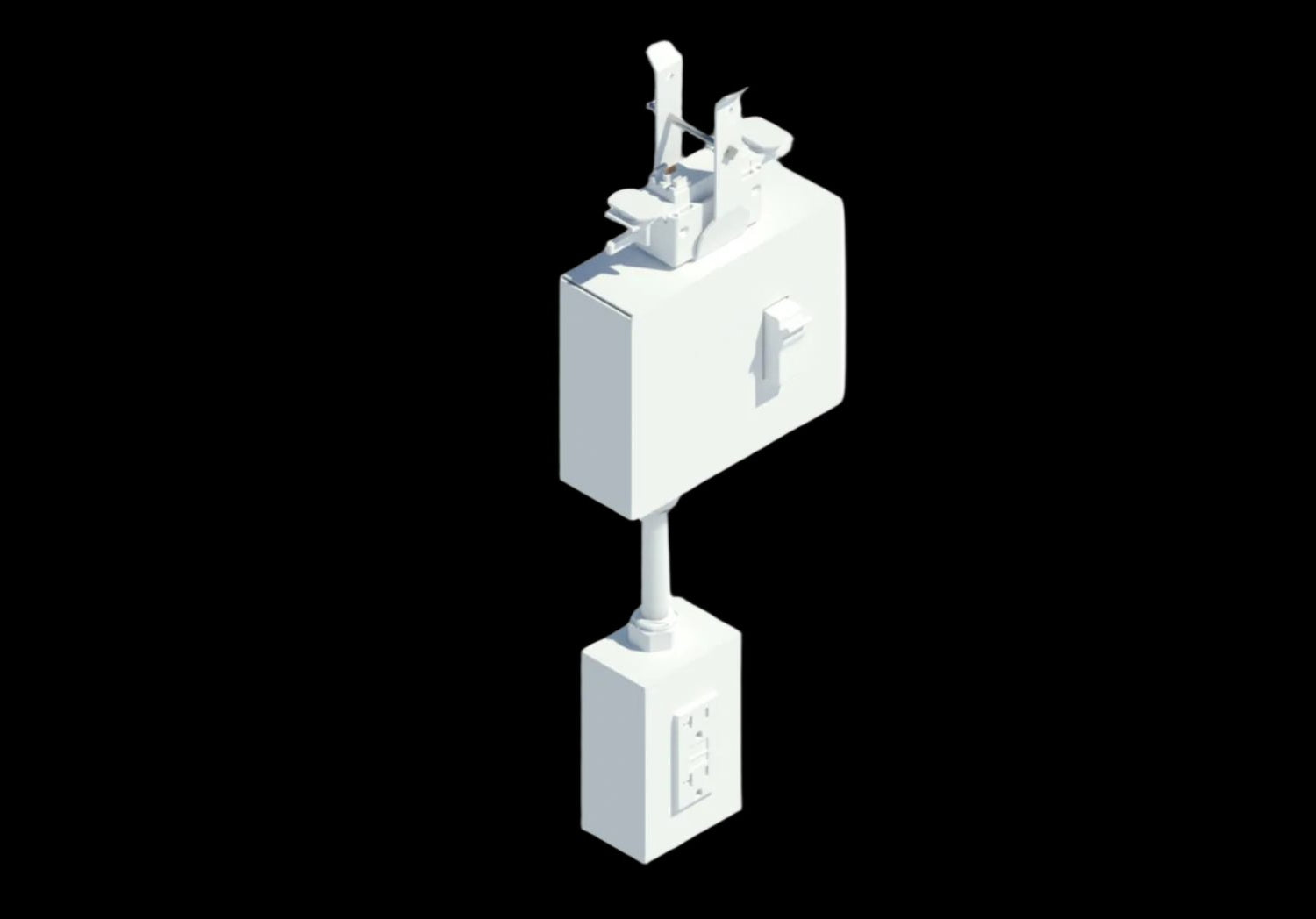
Breakered plug-in outlet box
View Outlet Boxes

These plug-in tap-off boxes install directly into the Track Busway channel, providing flexible access to power that can be repositioned as layouts and equipment change.
Track Busway Video Library →

How Track Busway Plug-In Units Deliver Flexible Overhead Power

This collection includes Track Busway power plug-in components such as outlet boxes, receptacle-in-fitters, and PowerDrop cords, covering multiple pole configurations for flexible overhead power distribution

Power Tap-Off Boxes connect directly into the Track Busway system, providing flexible overhead power distribution without rewiring. These customizable plug-in units allow contractors to install quickly, while also giving facility managers the ability to add or reposition power drops over time — a cost-saving alternative to conduit-based systems

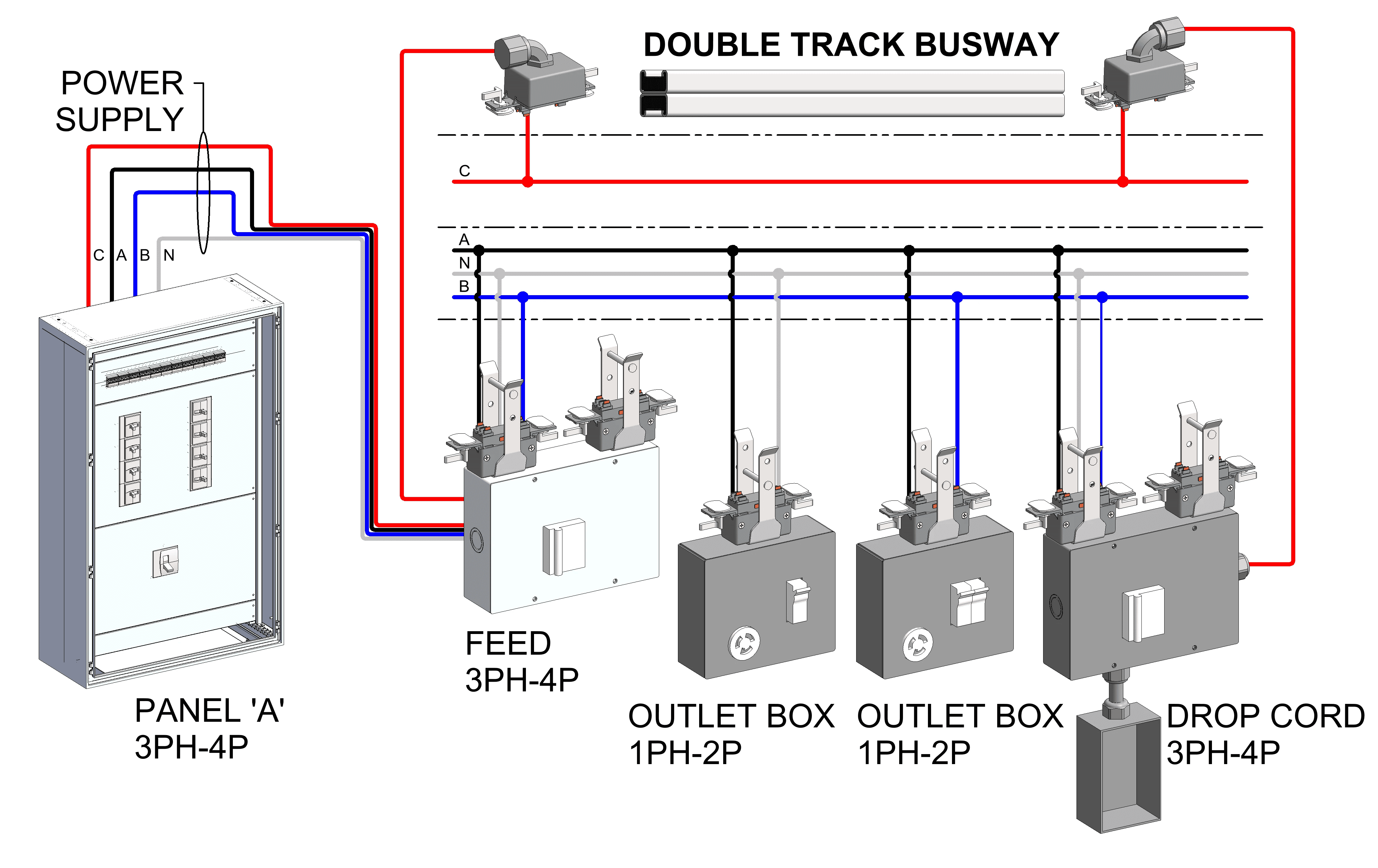
Multi-Voltage Track Busway – Wiring Diagram

This diagram illustrates how Track Busway distributes electrical power along an electrified busway run and allows plug-in units to connect anywhere along the system.

Three-phase Track Busway configurations are commonly used for industrial equipment, mixed circuit distribution, and applications requiring balanced three-phase power.

Track Busway 3-phase row with tap box and plug-in power connections

Plug-In Unit Specifications

Track Busway plug-in units are available in multiple configurations to support 120V, 208V, 240V, and 480V applications across both single-phase and three-phase systems.

The summary below consolidates the key electrical characteristics of 1-pole, 2-pole, and 3-pole plug-in units, helping you quickly understand voltage compatibility, breaker configurations, and available receptacle options.

Phase Single-Phase / Three-Phase
Voltage 120V (L–N) / 208V (L–L) / 240V (L–L) / 208Y (3-Phase) / 480Y (3-Phase)
Pole Count (Breaker Configuration) 1 / 2 / 3
Amperage 15A / 20A / 30A
NEMA 1-Pole (120V L–N): 5-15R, 5-20R, L5-15, L5-20, L5-30
2-Pole (208V / 240V L–L): L6-15, L6-20, L6-30
3-Pole (208Y / 480Y Three-Phase): L15-20, L15-30 (3P + G, no neutral)
3-Phase + Neutral (3P + N + G): L21-20, L21-30 (208Y) / L22-20, L22-30 (480Y)

Busway Plug‑In Units (Tap‑Off Boxes) by Breaker Type

Pole count refers to the number of phase conductors switched by the internal circuit breaker in the plug-in unit, not the total number of conductors present in the Track Busway

  • 1-Pole tap-offs connect one hot and the neutral to deliver 120V (line-to-neutral)
  • 2-Pole tap-offs connect two hots (no neutral) to deliver 208V single-phase or 240V (line-to-line)
  • 3-Pole tap-offs engage all three hots and the neutral to support 208V or 480V three-phase, four-wire configurations

For example, a 3-pole plug-in may be installed on a four-conductor (3-phase, L-L-L-N) Track Busway to serve three-phase loads with a neutral present.

Track Busway Components

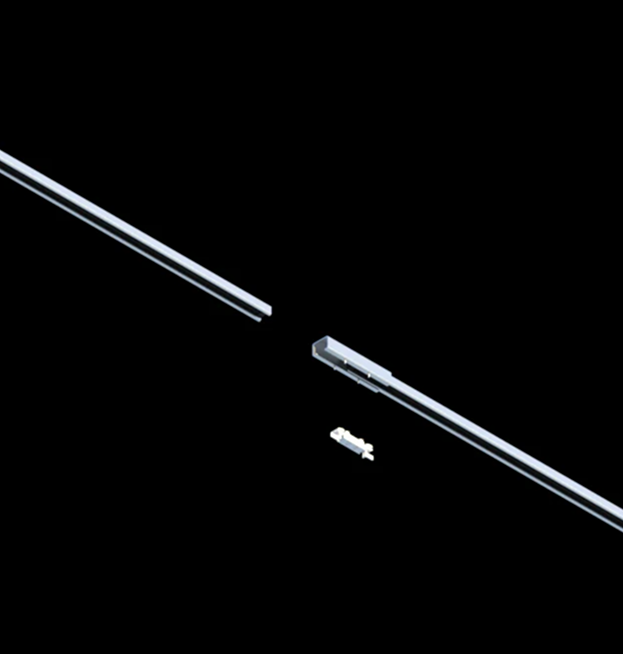
USA TrackBusway systems are built from RUNs, FEEDs, and PLUG-IN units. Use the tiles below to switch between these component families while staying within the Track Busway product ecosystem.